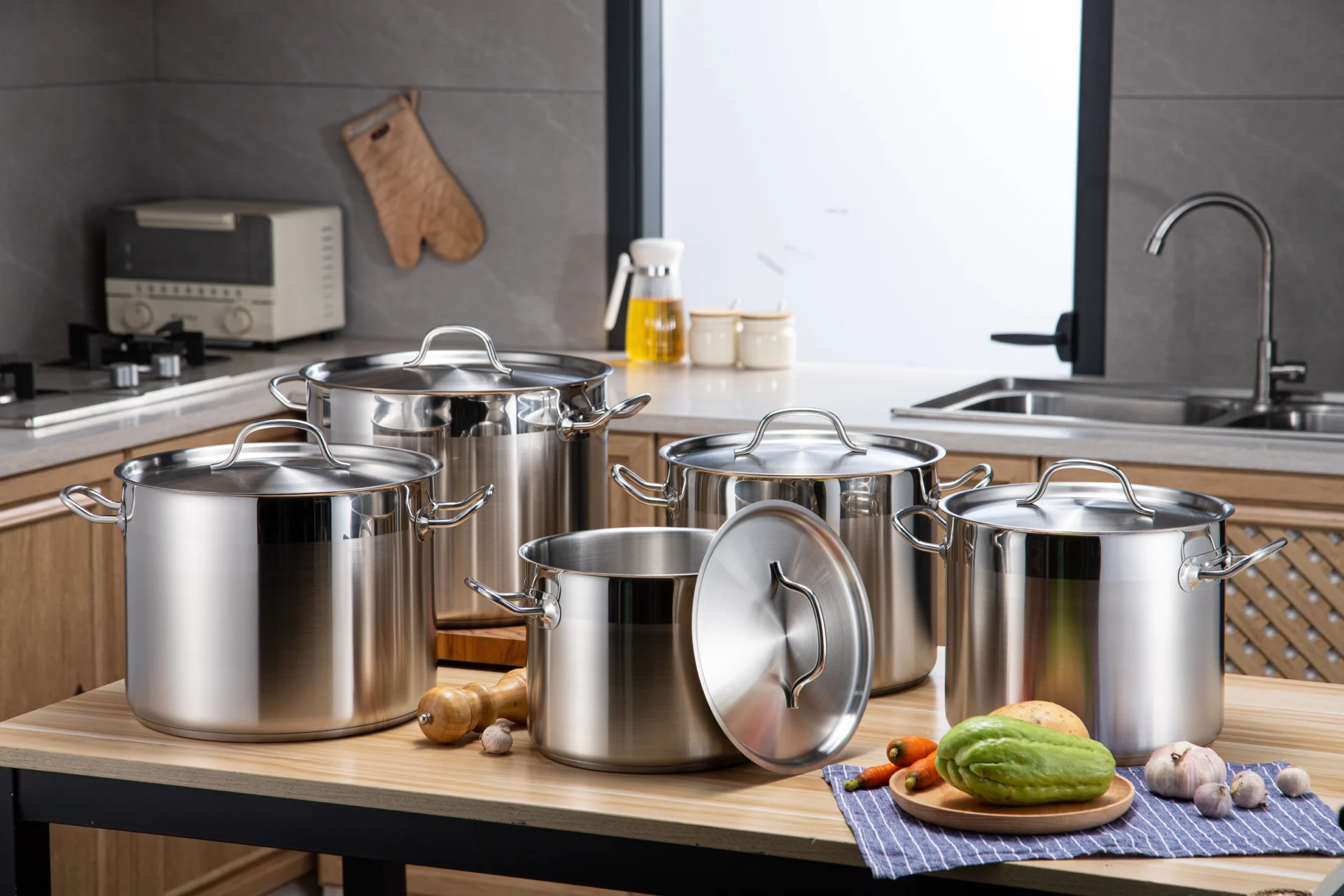
Introduction: The Indispensable Stainless Steel Stock Pots
In the realm of cookware, few items are as essential as a reliable stock pot. Whether you’re a professional chef simmering bone broth for hours or a home cook boiling pasta for the family, the right piece can make all the difference. But not all options are created equal—durability, heat conductivity, and food safety vary drastically by material and craftsmanship. This guide cuts through the noise to help you source stainless steel stock pots that stand the test of time, with a focus on the gold standard: 304 stainless steel.
A common pain point with cheap alternatives is uneven heating, which leads to burnt bottoms or undercooked ingredients. Premium 304 stainless steel stock pots solve this with a multi-layered base—often combining stainless steel with aluminum or copper cores. This construction ensures heat spreads rapidly and evenly across the entire pot, from center to edges, eliminating hot spots. For busy kitchens, this means consistent results every time, whether you’re making a large pot of chili or reducing a sauce.
The Core Advantage: Why 304 Stainless Steel Dominates Stock Pot Manufacturing
Composition & Safety: The Science Behind 304 Stainless Steel
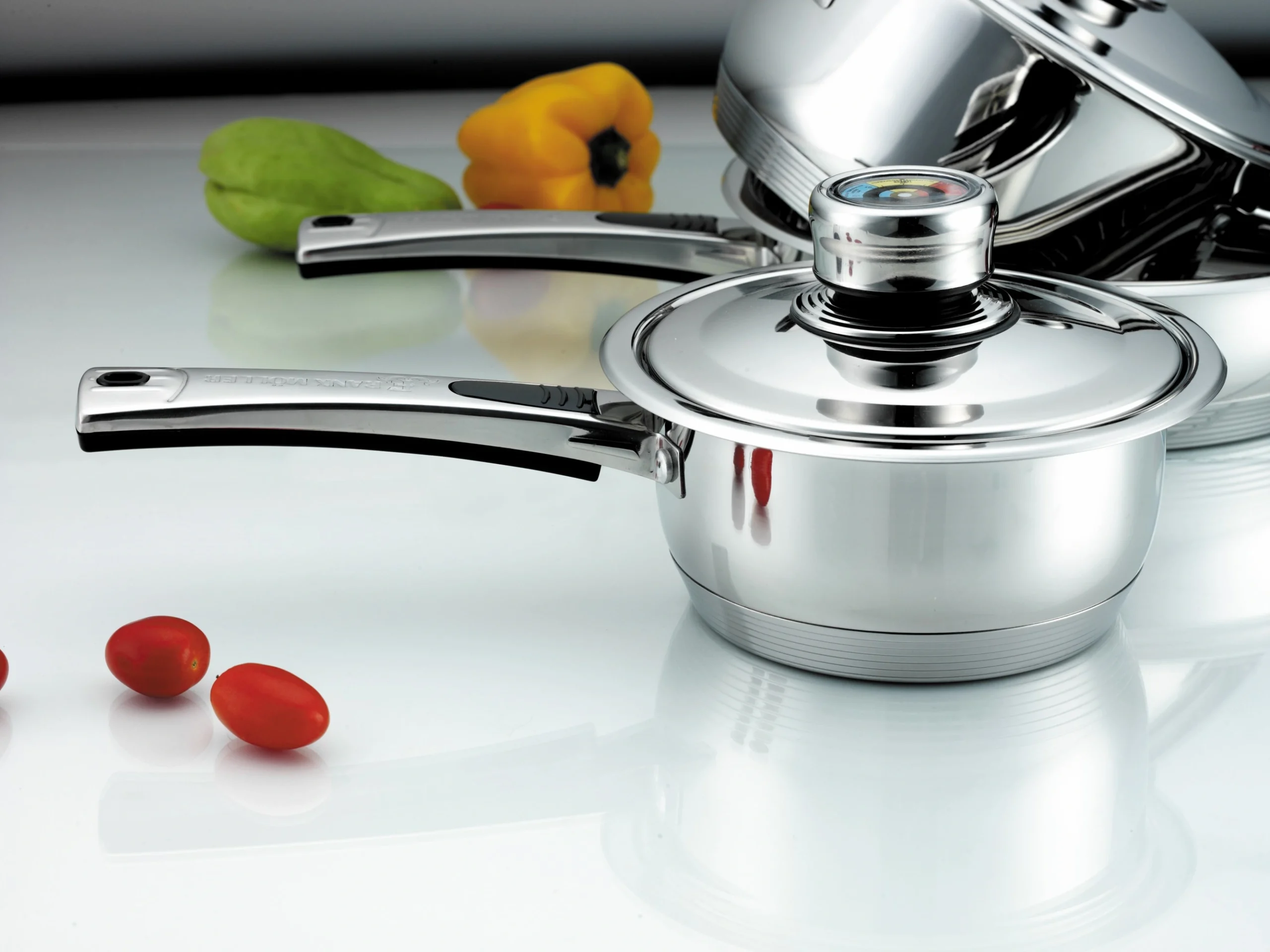
When sourcing, the first thing to verify is the steel grade—and 304 is non-negotiable for durability. Unlike lower-grade steels that rust or corrode after repeated use, 304 stainless steel contains 18% chromium and 8% nickel, creating a protective oxide layer that resists stains, scratches, and chemical reactions with acidic foods like tomatoes or citrus. This means your stock pot won’t leach harmful substances into meals, even during long, slow simmers—critical for home cooks and commercial kitchens alike.
Heat Distribution: A Key Trait of High-Quality Stainless Steel Stock Pots
A common pain point with cheap stock pots is uneven heating, which leads to burnt bottoms or undercooked ingredients. Premium 304 stainless steel stock pots solve this with a multi-layered base—often combining stainless steel with aluminum or copper cores. This construction ensures heat spreads rapidly and evenly across the entire pot, from the center to the edges, eliminating hot spots. For busy kitchens, this means consistent results every time, whether you’re making a large pot of chili or reducing a sauce.
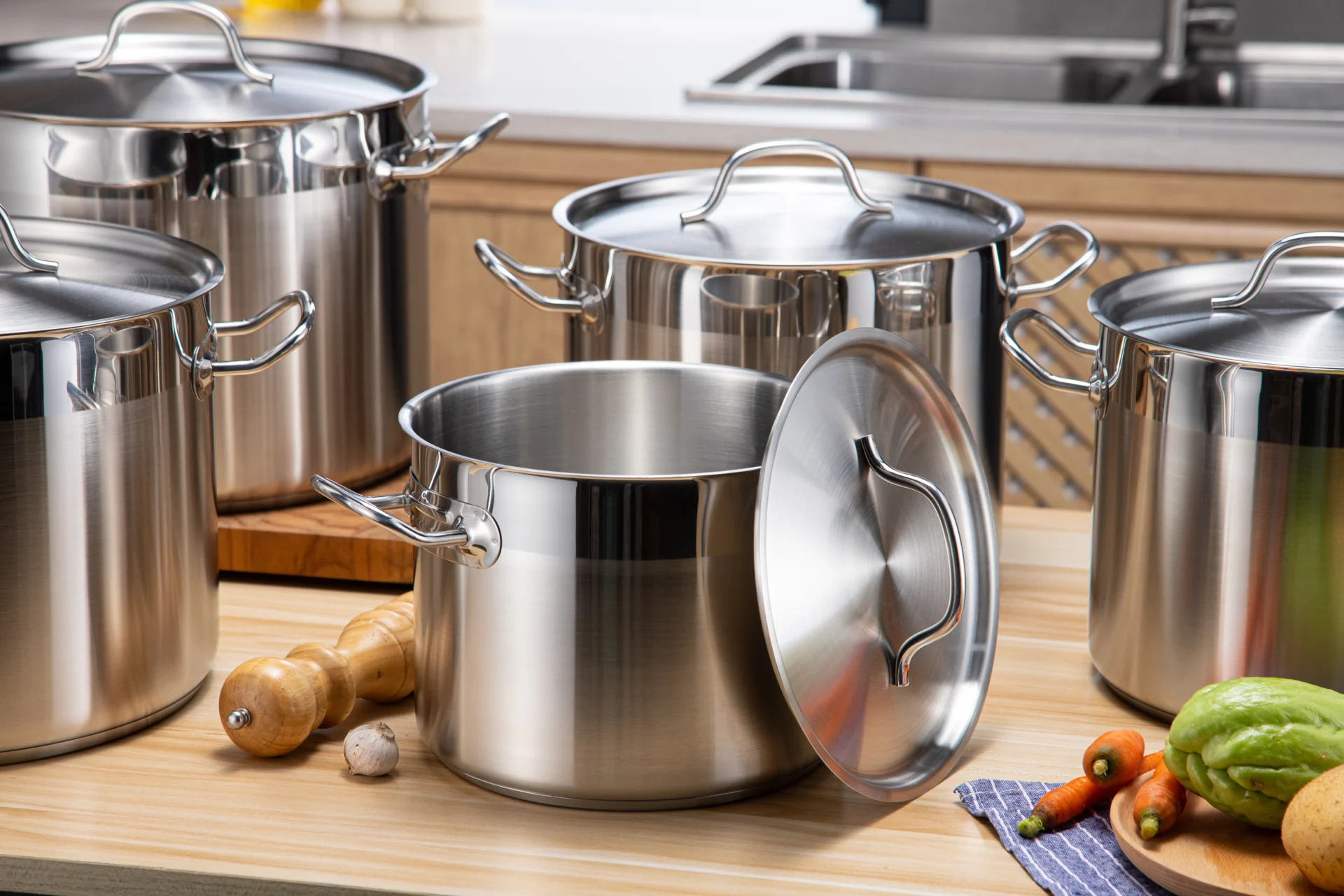
Sizing Strategy: Matching Stainless Steel Stock Pots to Your Cooking Needs
From Small Families to Commercial Kitchens: Choosing the Right Capacity
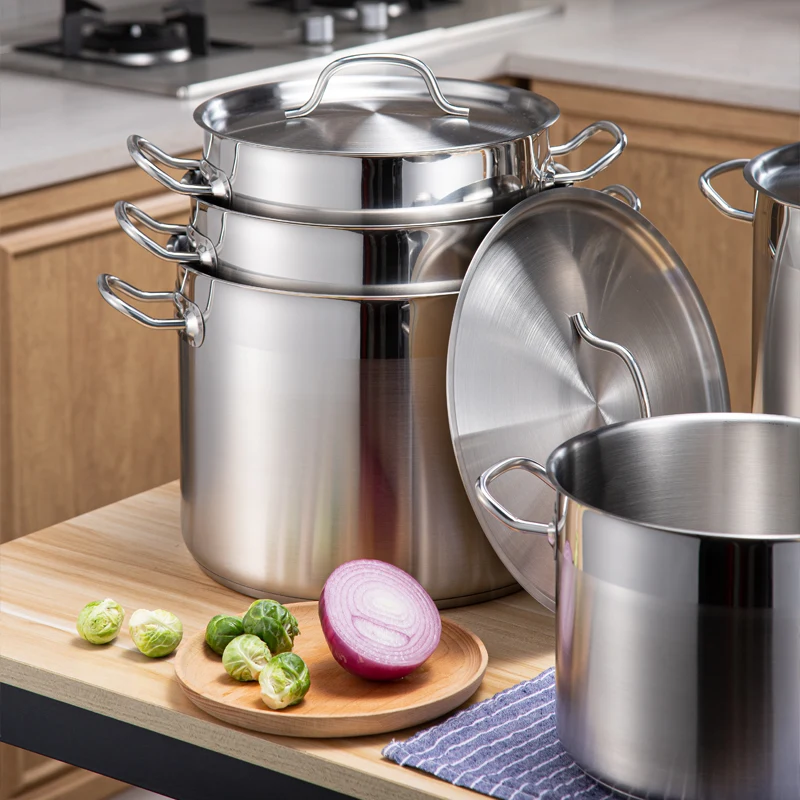
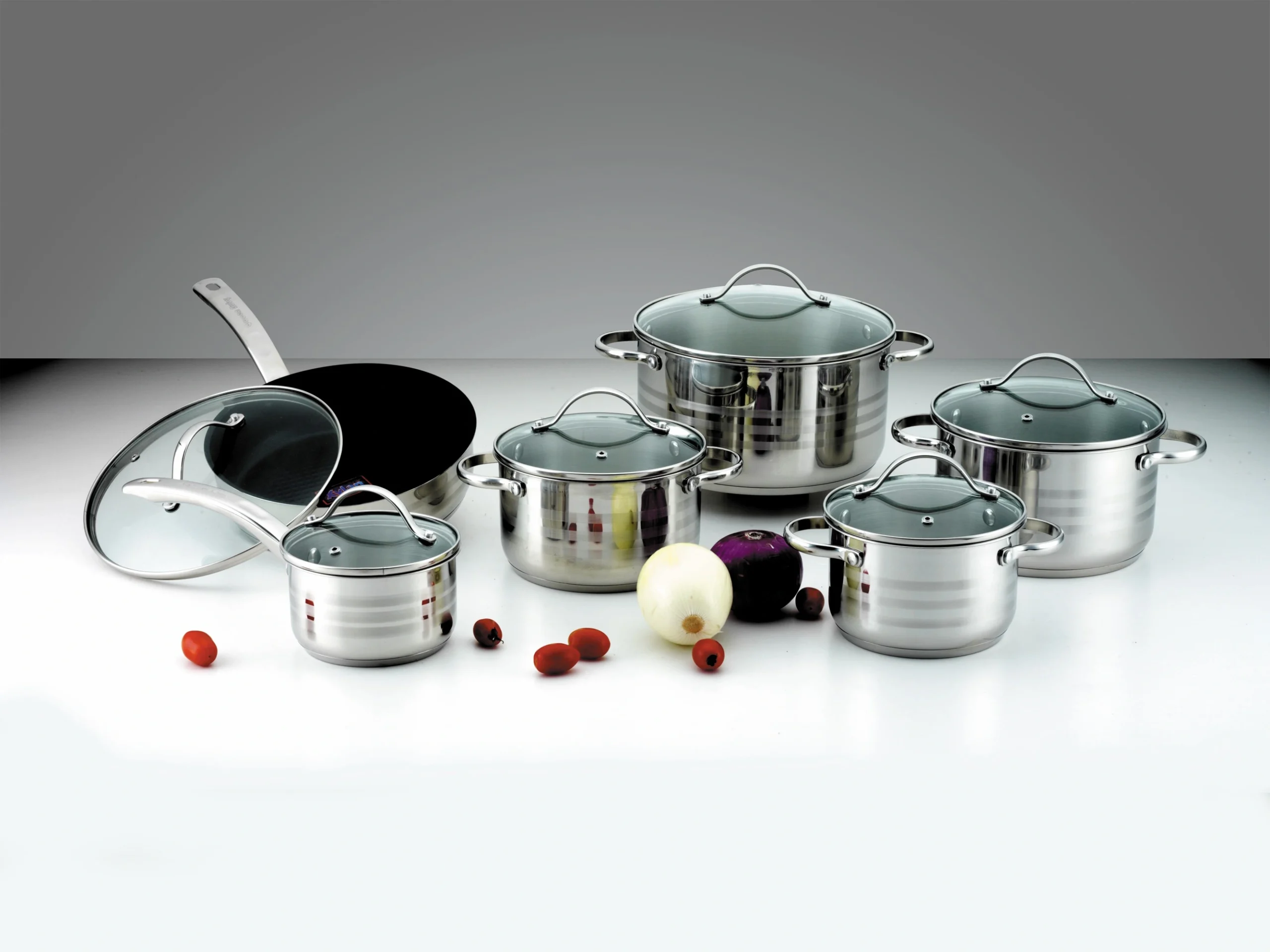
One of the biggest mistakes when sourcing stainless steel stock pots is overlooking size. While a 12-quart stock pot works for small families, commercial kitchens or those hosting large gatherings need a big stock pot—often 20 quarts or more. The key is to balance capacity with practicality: a big stock pot should still fit on your stovetop and be easy to handle when full. Look for stainless steel stock pots with ergonomic stainless steel handles for comfortable grip during use.
Features to Prioritize in a Big Stock Pot
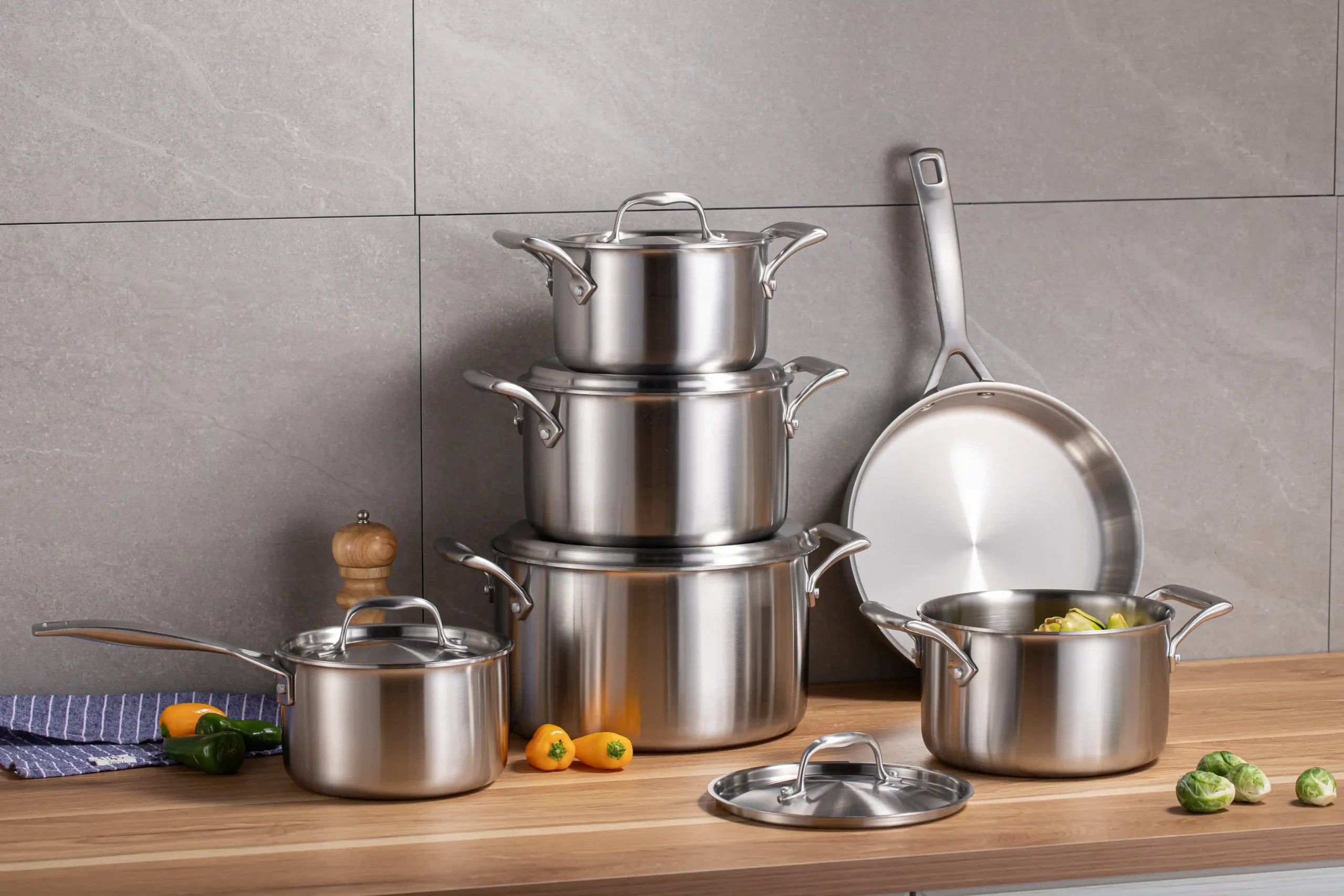
A high-quality big stock pot needs more than just size—it should have features that enhance functionality. A tight-fitting, stainless steel lid is a must: it traps heat and moisture to speed up cooking, while its durable construction stands up to frequent use. Look for pots with reinforced rims to prevent warping, and smooth, easy-to-clean interiors that don’t retain food residue. For commercial use, consider stainless steel stock pots with stackable designs to save storage space—an often-overlooked detail that boosts kitchen efficiency.
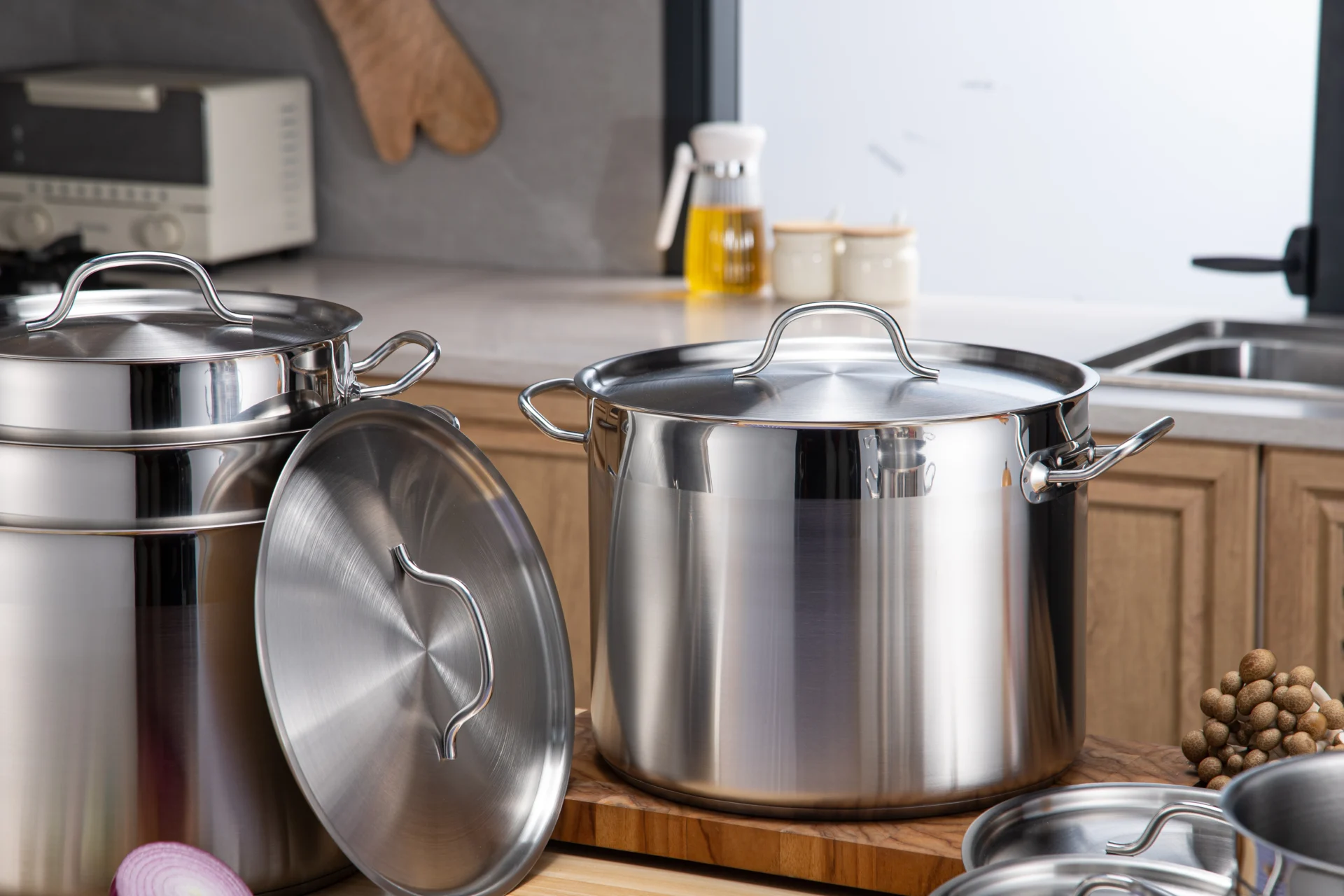
Quality Inspection: How to Avoid Inferior Stainless Steel Stock Pots
Key Indicators of Genuine 304 Stock Pots
With so many options on the market, it’s easy to fall for cheap imitations. To ensure you’re getting genuine 304 stainless steel stock pots, check for a “304” or “18/8” stamp on the bottom of the pot—this is the industry standard for food-grade stainless steel. Avoid pots that feel lightweight or have thin walls, as they’ll dent easily and won’t hold up to frequent use. If a stock pot is priced far below competitors, it’s likely made with lower-grade steel that will need replacing within a year—costing you more in the long run.
Conclusion: Invest in Stainless Steel Stock Pots That Last
Investing in high-quality stainless steel stock pots is an investment in your kitchen’s efficiency and longevity. By prioritizing 304 stainless steel, even heat distribution, and the right size—whether a compact stock pot or a heavy-duty big stock pot—you’ll get a tool that serves you well for years. Don’t settle for subpar cookware; choose stainless steel stock pots that live up to the demands of your kitchen.